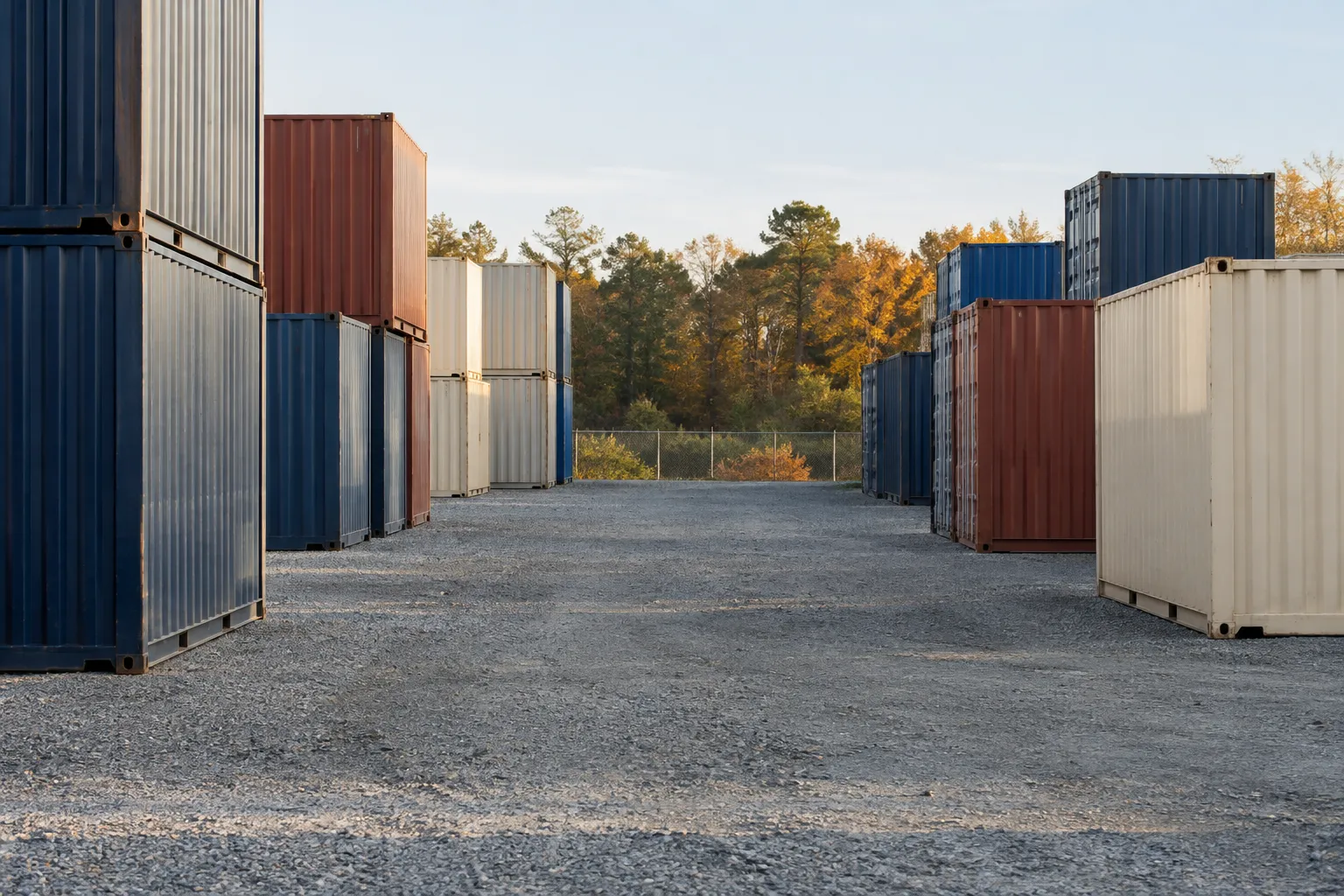
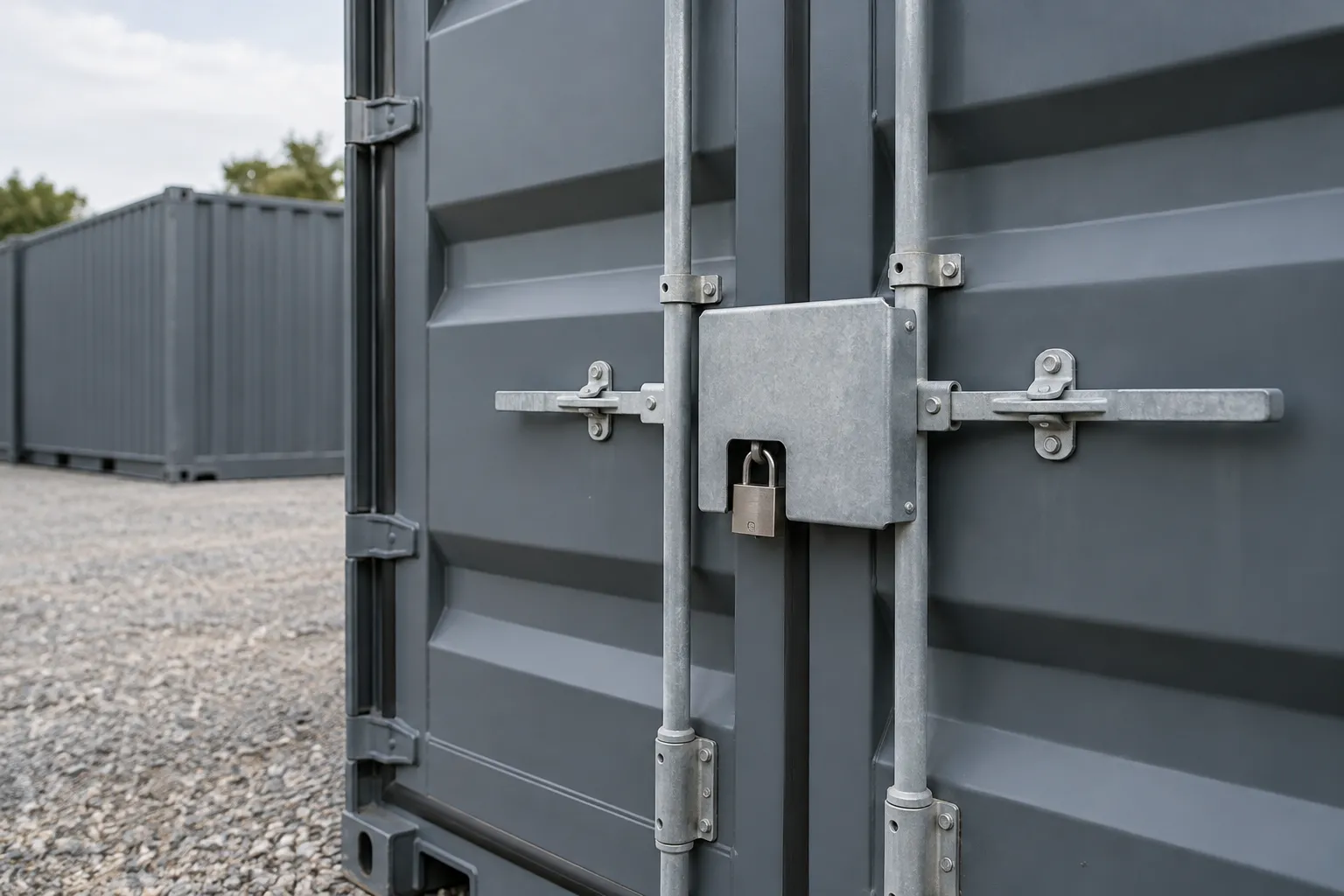
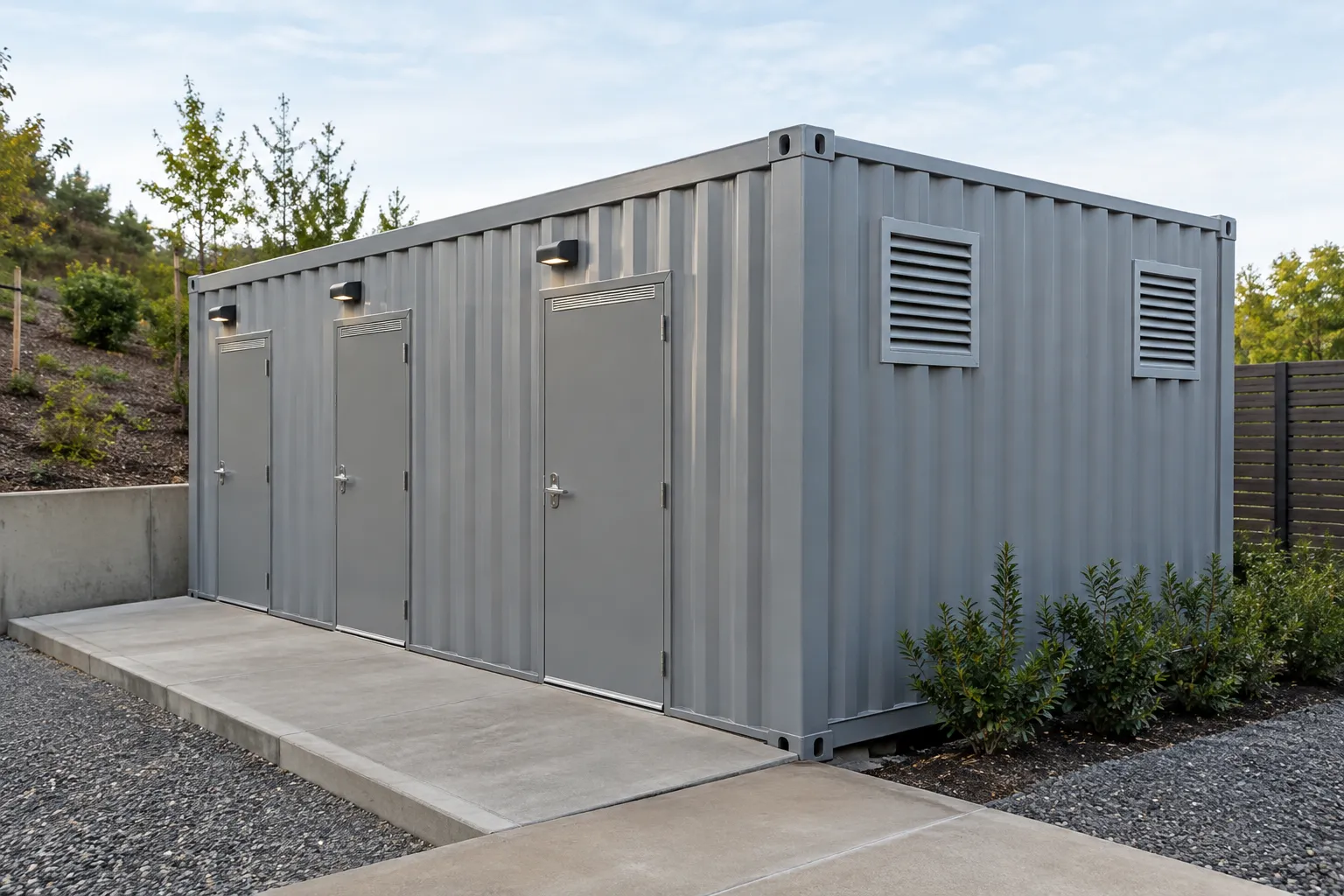
Industry News & Market Trends
Buy Shipping Container for Business Tax Deduction 2026: CPA Guide
A business container may qualify for accelerated deductions—but its use, classification and readiness matter. Take this checklist to your CPA before ordering.
8 min readBy the Lease Lane Containers team
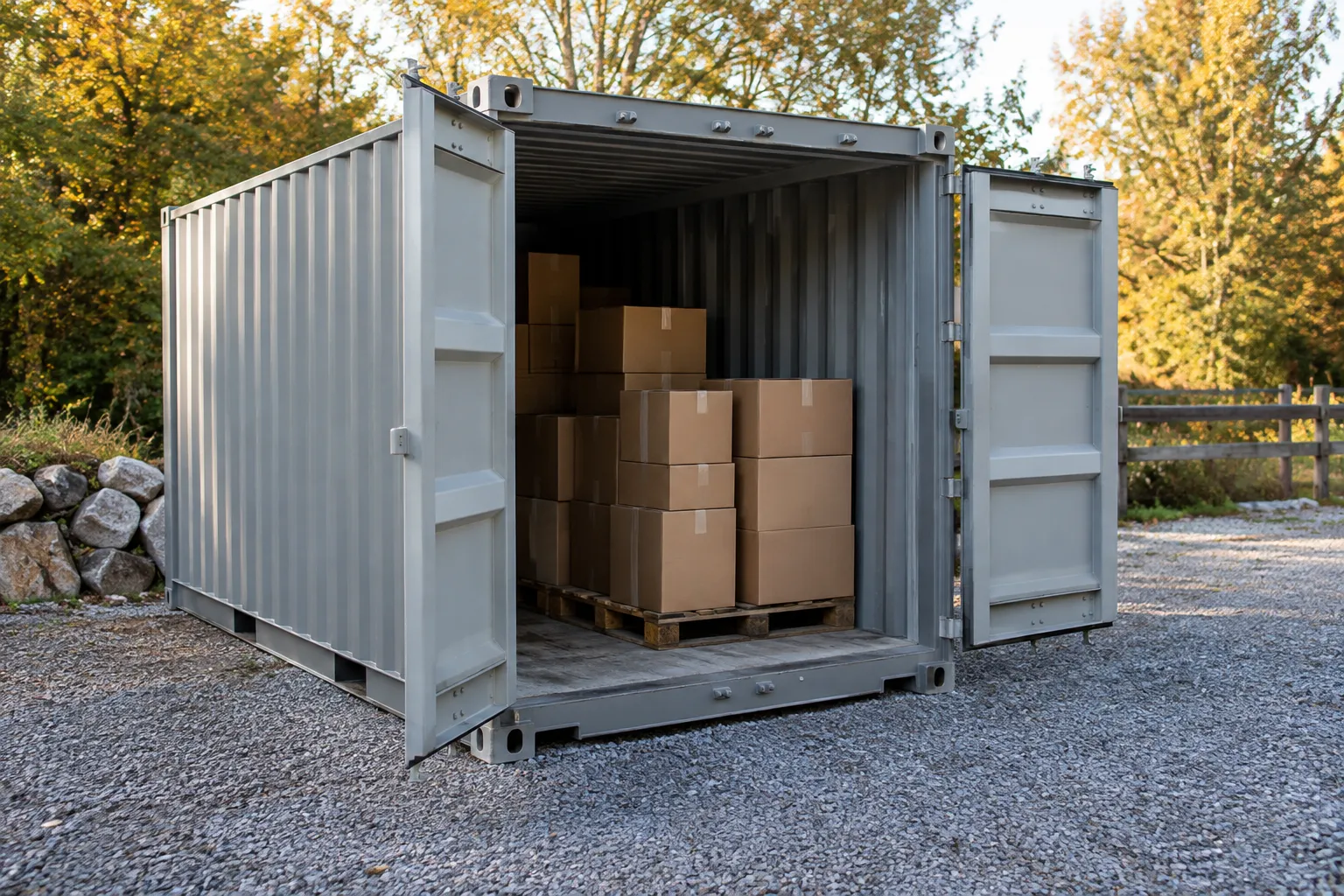
If you’re searching “buy shipping container for business tax deduction 2026,” the short answer is a container may qualify, but buying one does not automatically create an immediate deduction. Before ordering, ask your CPA to confirm its tax classification, qualifying business use, acquisition requirements and placed-in-service date.
A portable inventory-storage unit and a permanently installed container office can require different treatment. The right starting point is what the asset actually does—not whether the listing calls it a shipping container.
This guide supports a purchase discussion with your tax professional; it is general information, not individualized tax advice.
Can You Buy Shipping Container for Business Tax Deduction 2026?
Potentially, yes. A business-owned container used in an income-producing activity may be depreciable. Whether its cost can be deducted immediately under Section 179 or bonus depreciation is a separate eligibility question.
IRS Publication 946 distinguishes qualifying property from buildings and structural components. It also explains that depreciation generally begins when property is ready and available for its specific use—not simply when you order or pay for it.
Before committing, get answers to four questions:
- What asset classification and recovery period apply to this container in this installation?
- Does it qualify for Section 179, bonus depreciation, ordinary depreciation or another treatment?
- What portion of its use will be business use?
- What must be completed before it is ready and available for that use?
A deduction reduces taxable income; it does not reimburse the purchase price. Buy a container because it solves a business need, then evaluate the appropriate tax treatment.
Portable Business Equipment or Building: What Your CPA Must Determine
The “shipping container business equipment or building” question cannot be settled by dimensions or lifting capability alone. An asset’s function, permanence, attachment and relationship to other structures can all matter.
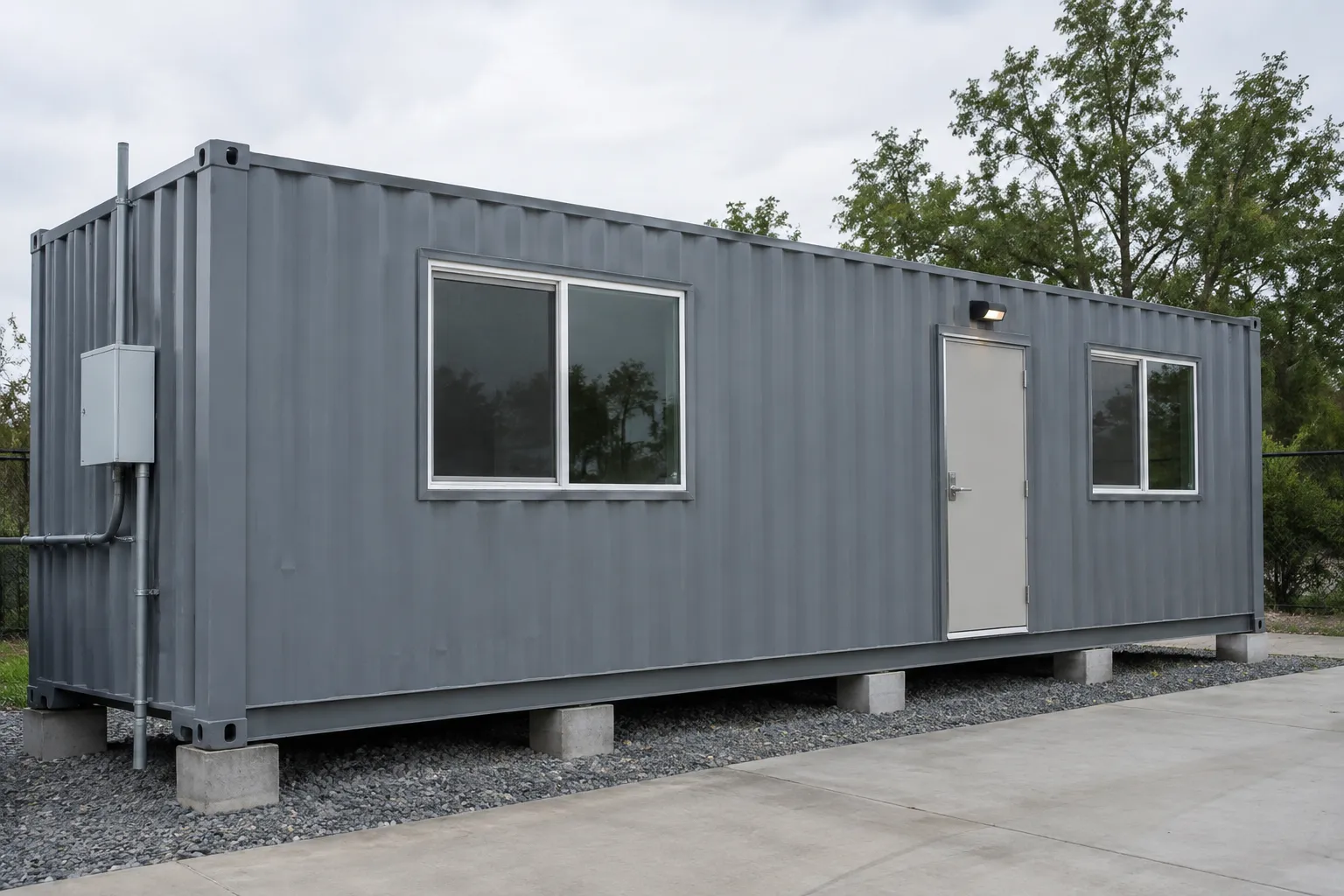
Give your CPA a written description covering:
- Purpose: inventory storage, tool storage, workshop, refrigeration or occupied office.
- Installation: supports, anchoring, foundations and attachment to adjacent structures.
- Utilities: permanent or removable electrical, water, sewer and HVAC connections.
- Relocation: whether moves are expected and what removal would involve.
- Configuration: interior partitions, windows, doors and integrated equipment.
For example, a 20ft used storage container with cargo doors holding contractor tools presents different facts from a 20ft insulated office container installed as long-term workspace. Neither product name establishes its tax status.
Buildings and their structural components generally do not qualify as ordinary Section 179 equipment. Certain specifically defined real-property improvements have separate rules, but converting a container into an office does not automatically make the whole project an eligible improvement.
Ask your CPA to document the reasoning behind the classification and recovery period. Our container buying guide helps identify operational requirements, while our permanent-storage permit checklist covers site questions to investigate. Local permitting classifications and federal tax classifications are related facts, not interchangeable decisions.
Section 179 vs. Bonus Depreciation: The 2026 Questions to Ask
The IRS guidance announced January 14, 2026 addresses restored permanent 100% additional first-year depreciation for eligible property acquired after January 19, 2025. Acquisition and placed-in-service requirements still apply. “Permanent” describes the statutory provision, not blanket eligibility for every container.
For storage container bonus depreciation 2026 planning, have your CPA check whether the asset is qualifying property, including its recovery period and acquisition history. A building does not become eligible equipment merely because it began as a cargo container.
| Planning question | Section 179 | Bonus depreciation |
|---|---|---|
| Is it automatic? | An election is required for eligible costs. | Generally applies to qualifying property unless a valid election out applies. |
| What limits matter? | Annual deduction, investment phaseout and business-income limits. | Different eligibility rules; no Section 179-style business-income limit, though other loss limits may apply. |
| Can used property qualify? | Potentially, subject to purchase and other requirements. | Potentially, subject to prior-use, acquisition and related-party restrictions. |
| Does state treatment match? | Not necessarily. | Not necessarily. |
Ask your CPA to confirm the applicable 2026 limits across all business equipment purchases, not just this order. Entity type, pass-through rules and other deductions can affect the outcome.
Also ask whether accelerating the deduction is beneficial. Section 179 generally comes before bonus depreciation, with regular depreciation applying to remaining basis. The same cost cannot be deducted twice. Request a comparison of immediate deductions and ordinary depreciation rather than assuming the largest first-year amount is always best.
How New, Used and Modified Containers Affect the Eligibility Review
A used storage container tax deduction is not automatically disallowed because someone else owned the unit. Conversely, a new container is not automatically eligible for immediate expensing.
Compare used shipping containers and new one-trip containers around condition, access and intended service. Tax eligibility requires its own review.
Useful examples to discuss with your CPA include:
- A 20ft new one-trip container for packaged inventory: document the installation and storage purpose.
- A 40ft used storage-grade container for business materials: document ownership, acquisition and business use.
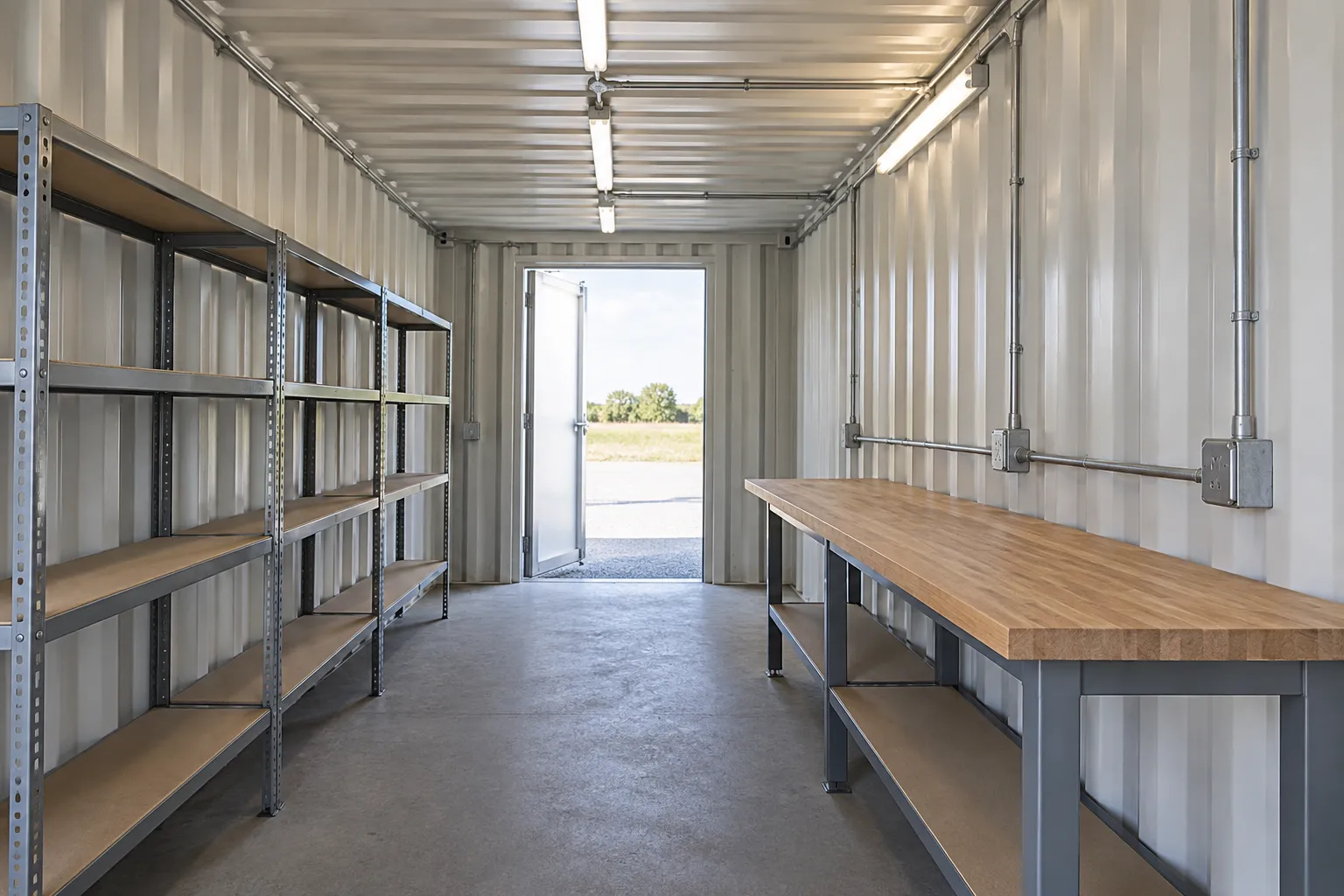
- A 20ft workshop container with built-in shelving: identify the enclosure, shelving and other modifications.
- A 40ft refrigerated container: provide specifications for the enclosure and cooling equipment without assuming they receive identical treatment.
For used property, disclose any previous use by your business and any relationship with the seller. Those facts can affect eligibility, particularly for bonus depreciation.
For modified units, request a scope of work. Your CPA may need to distinguish the container, separate equipment and improvements. Splitting an invoice into lines is useful evidence, but it does not itself establish separate tax assets.
Our container grade guide explains condition terminology. Storage grade, cargo worthy and one-trip descriptions are purchasing information—not tax classifications.
What Placed in Service Means Beyond Paying a Deposit
For a calendar-year business seeking a 2026 depreciation deduction, the relevant property generally must be placed in service by December 31, 2026. Fiscal-year businesses should confirm their own tax-year end.
The shipping container placed in service deadline is about readiness and availability for the intended use. A deposit, paid invoice or delivery reservation does not establish that date. Even arrival may be insufficient if essential installation remains unfinished.
Consider these illustrative situations:
- Basic storage: the container is positioned, accessible and ready to hold the intended business inventory. It may be ready even if the first shipment has not arrived.
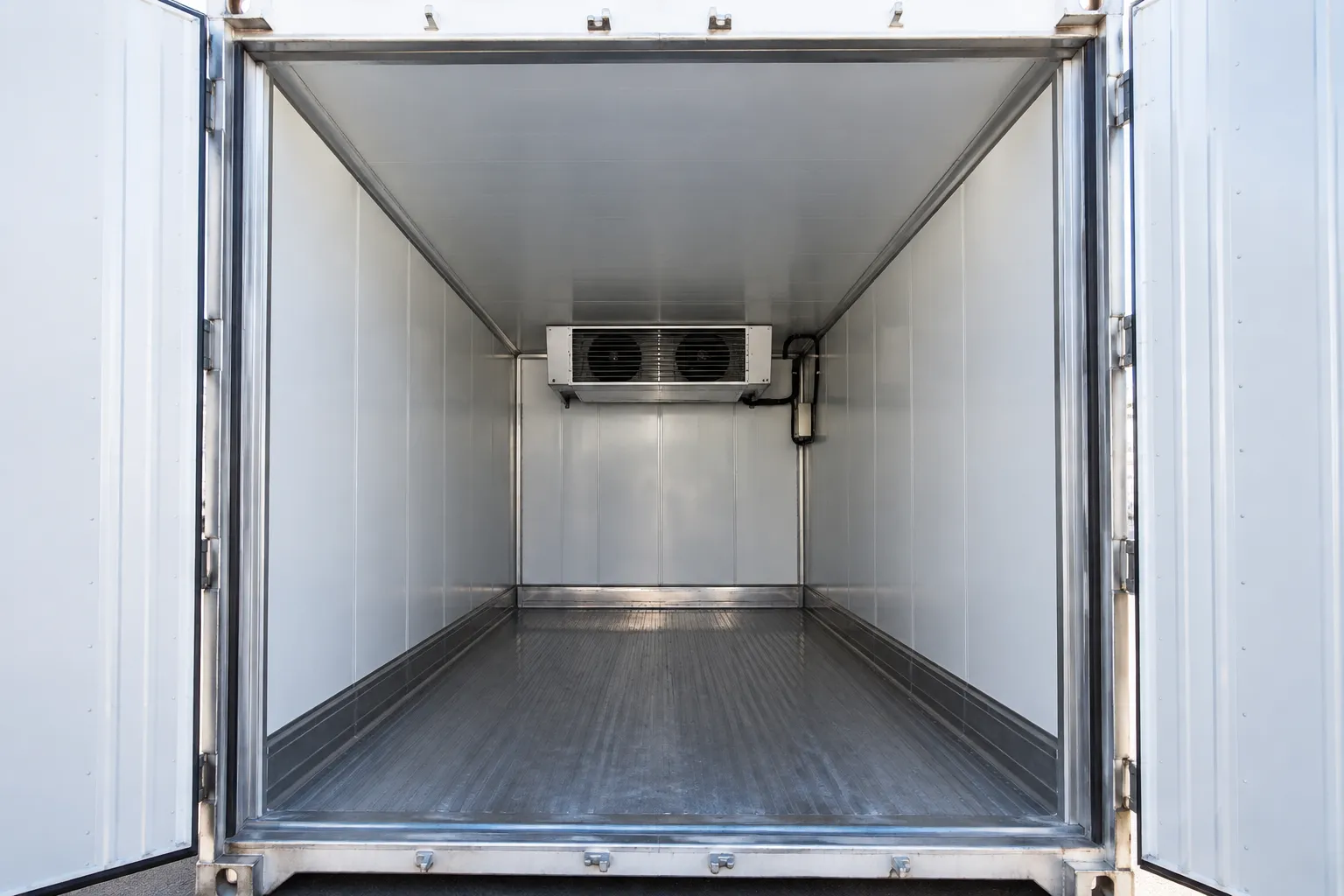
- Refrigerated storage: the enclosure has arrived, but required power and commissioning are incomplete. Arrival alone does not demonstrate readiness for cold storage.
- Occupied office: essential electrical work or required occupancy approvals remain outstanding. Discuss whether it is genuinely available for its assigned function.
Keep dated delivery records, site photographs, installation invoices, equipment test results and applicable approvals. Record the specific business purpose and the date readiness was established.
Specialized storage needs additional care. For flammable liquids, OSHA’s flammable-liquids standard includes requirements that depend on the liquids and storage arrangement. An ordinary steel container is not automatically suitable. Have the intended setup reviewed before ordering.
Our refrigerated food-storage checklist can help identify commissioning questions. Do not describe unfinished property as ready solely to meet a tax deadline.
Which Purchase, Delivery and Modification Costs to Itemize
Request an itemized quote that separates what you are buying from work performed on your property. Your CPA can then determine which costs belong in asset basis, which relate to separate assets and which may receive other treatment.
Keep records for:
- Container model, condition, configuration and identifying information when available.
- Purchase amount, discounts and final invoice.
- Delivery services and any separately quoted site-related charges.
- Modifications, materials and installation labor.
- Shelving, cooling equipment and other separately identifiable additions.
- Foundations, paving, utility connections and professional services.
- Subsequent repairs or improvements, with dates and descriptions.
Costs necessary to acquire an asset and prepare it for use often belong in its depreciable basis. But land, site improvements and building-related work can require different treatment. Do not combine every project expense into one “container equipment” entry without review.
Sales tax is included and paid by Lease Lane Containers, so nothing is added at checkout.
Save the accepted quote, final invoice, proof of payment and modification approvals together. If a quote changes after your CPA reviews it, send the updated version. A different installation or fit-out can change the classification analysis even when the exterior looks similar.
Business-Use Records, State Tax Differences and Recapture Questions
A shipping container Section 179 deduction generally requires business use exceeding 50%. If use is mixed, only the qualifying business portion enters the relevant calculation. Ask your CPA how to measure and substantiate that portion for your actual arrangement.
Keep an asset register showing location, assigned purpose, acquisition date, placed-in-service date, cost and subsequent changes. If business inventory shares space with personal belongings, maintain a consistent allocation method supported by records rather than an unsupported estimate.
Discuss these future events before claiming accelerated deductions:
- Business use falls to 50% or less during the relevant recovery period.
- The container is sold, transferred or converted to personal use.
- Storage becomes an occupied office after a later conversion.
- The business relocates the unit or makes substantial improvements.
A drop in business use can trigger Section 179 recapture. A sale may also produce depreciation recapture, depending on the facts. Retain the depreciation schedule after the first-year return is filed.
State treatment is another separate calculation. A state may not follow federal bonus depreciation or may apply different Section 179 limits. Ask for federal and state projections, including any additions or later deductions required on the state return.
Request an Itemized Quote and Confirm Readiness Before Your Tax-Year End
For an owner researching “buy shipping container for business tax deduction 2026,” the practical next step is a documented purchasing plan—not a promise of a write-off.
- Select the size and configuration that serve your business.
- Give your CPA the specifications, intended use and installation plan.
- Request an itemized quote and confirm site access, utilities and approvals.
- Allow for delivery and any work required before the unit is ready.
- Preserve evidence supporting the actual placed-in-service date.
Every unit ships from our Raleigh, NC yard and is delivered by our own trucks, trusted freight carriers or a vetted partner delivery agency, depending on your location.
Standard Delivery is free on all orders delivered within the contiguous United States (Lower 48). Containers, homes and offices are offloaded and placed by crane. Remote or non-standard sites and locations outside the Lower 48 are quoted in writing before you pay.
For in-stock products other than container homes, handling is 1–3 business days. Standard transit is 3–7 business days, or 4–10 business days in total (about a week and a half). All times start once full payment has been received and count business days only (Monday – Friday, excluding U.S. federal holidays). These delivery estimates do not establish tax readiness or guarantee year-end eligibility.
Enter your ZIP code on any product page to see your estimated arrival dates. Our driver calls you one day before delivery to confirm the exact time. Review our shipping policy and separately arrange any required site work.
Confirm classification first, then buy for the business need. Browse 20ft containers or 40ft containers, and request an itemized quote your CPA can review before you order.
What "fully furnished" means: when one of our container homes is described as fully furnished, it means built-in amenities only: interior finishes and any built-in cabinetry, kitchen or bathroom fit-out, electrical and plumbing that are listed in this home's specifications. Loose furniture and appliances (for example beds, sofas, tables, refrigerators and microwaves) are not included unless listed in your written quote.
Frequently asked questions
Possibly, but the container must qualify based on its tax classification, acquisition and business use. Buildings and structural components generally do not qualify as ordinary Section 179 equipment. Ask your CPA to review the intended function, installation, business-use percentage and applicable deduction limits before treating the purchase as immediately deductible.
Used property can qualify, but eligibility is not automatic. Your CPA must consider the asset classification, recovery period, acquisition date, previous use by your business and related-party restrictions. The restored 100% bonus depreciation provision applies to eligible property subject to the acquisition and placed-in-service requirements; it does not make every used container eligible.
No. For depreciation purposes, property generally must be ready and available for its specific business use within the applicable tax year. A paid invoice or delivery booking does not establish that readiness. Keep delivery records, installation documentation, applicable approvals and dated evidence showing when the container became available for its intended function.
That depends on the facts, not the product label. Your CPA should review the office’s function, permanence, foundations, utility connections, attachments and relocation expectations. An occupied container office may require different treatment from a portable storage unit. Separate equipment or qualifying improvements may also need their own analysis rather than one classification for the entire project.
Provide an itemized quote, product specifications, intended business use, expected business-use percentage and a site installation plan. Include proposed modifications, utility work and required approvals. After purchase, retain the final invoice, payment evidence, delivery documentation and readiness records. Ask your CPA to document the asset classification, recovery period and federal and state treatment.
Sources & further reading
- IRS — Treasury, IRS Issue Guidance on the Additional First Year Depreciation Deduction Amended as Part of the One, Big, Beautiful Bill
- IRS — Publication 946 (2025), How To Depreciate Property, Including What's New for 2026
- OSHA — 29 CFR 1910.106: Flammable Liquids
- International Code Council — 2024 International Fire Code, Chapter 57: Flammable and Combustible Liquids
- OSHA — 29 CFR 1910.26: Dockboards
- National Retail Federation — Import Cargo's Extended Peak Season Wrapping Up, October 8, 2026
Talk to our Raleigh team
Ready to find the right container?
Get a written quote, check availability or ask about delivery to your site. Lease Lane Containers LLC answers every enquiry personally.
- Call us+1 (984) 219-9882
- Emailsales@leaselanecontainers.llc
- Visit5832 Lease Ln, Ste B, Raleigh, NC 27617
- Business hoursMon - Fri: 9:00 AM - 5:00 PM · Sat - Sun: Closed (ET)