Industry News & Market Trends
Should I Buy a Shipping Container Now or Wait? October 2026 Update
The October port-fee proposal is not an automatic surcharge on domestic container purchases. Decide when to buy using your deadline, confirmed inventory and written quote protections.
8 min readBy the Lease Lane Containers team
If you’re asking, “should I buy a shipping container now or wait,” start with your required delivery date—not a tariff headline. Buy when confirmed stock, suitable specifications and written terms meet a real project need. Consider waiting when your schedule is flexible and you have a specific policy or inventory checkpoint to review.
The October 26, 2026 notice concerns a proposed further suspension of maritime-service fees and specified equipment duties. It does not establish an automatic surcharge on every domestic container purchase, and the announcement alone cannot support a retail-price forecast.
What changed on October 26—and what remains only a proposal?
The October 26 Federal Register notice requesting comments on further suspension proposes extending the current suspension of the Section 301 action concerning China’s maritime, logistics and shipbuilding sectors. The existing suspension ends November 9, 2026; the proposed extension would run through January 9, 2027. Comments close October 30.
The important word is proposes. A request for comments is not a final decision establishing the extension. This article addresses the proposal-stage position described in that notice; buyers reading later should check for a subsequent official decision before relying on these dates.
Three distinctions matter:
- The underlying action and its suspension are separate from a seller’s domestic retail quote.
- A proposed extension is not the same as an adopted extension.
- Neither a proposed suspension nor its expiration proves that a particular container’s selling price will change.
A useful shipping container price outlook 2026 therefore starts with documented availability and comparable quotes, rather than treating a policy announcement as a price chart.
Do these port fees apply directly to your container purchase?
Not automatically. Maritime-service fees concern covered shipping activity, while equipment duties concern specified goods within the action’s scope. That is different from a blanket fee imposed on every used or one-trip container sold domestically.
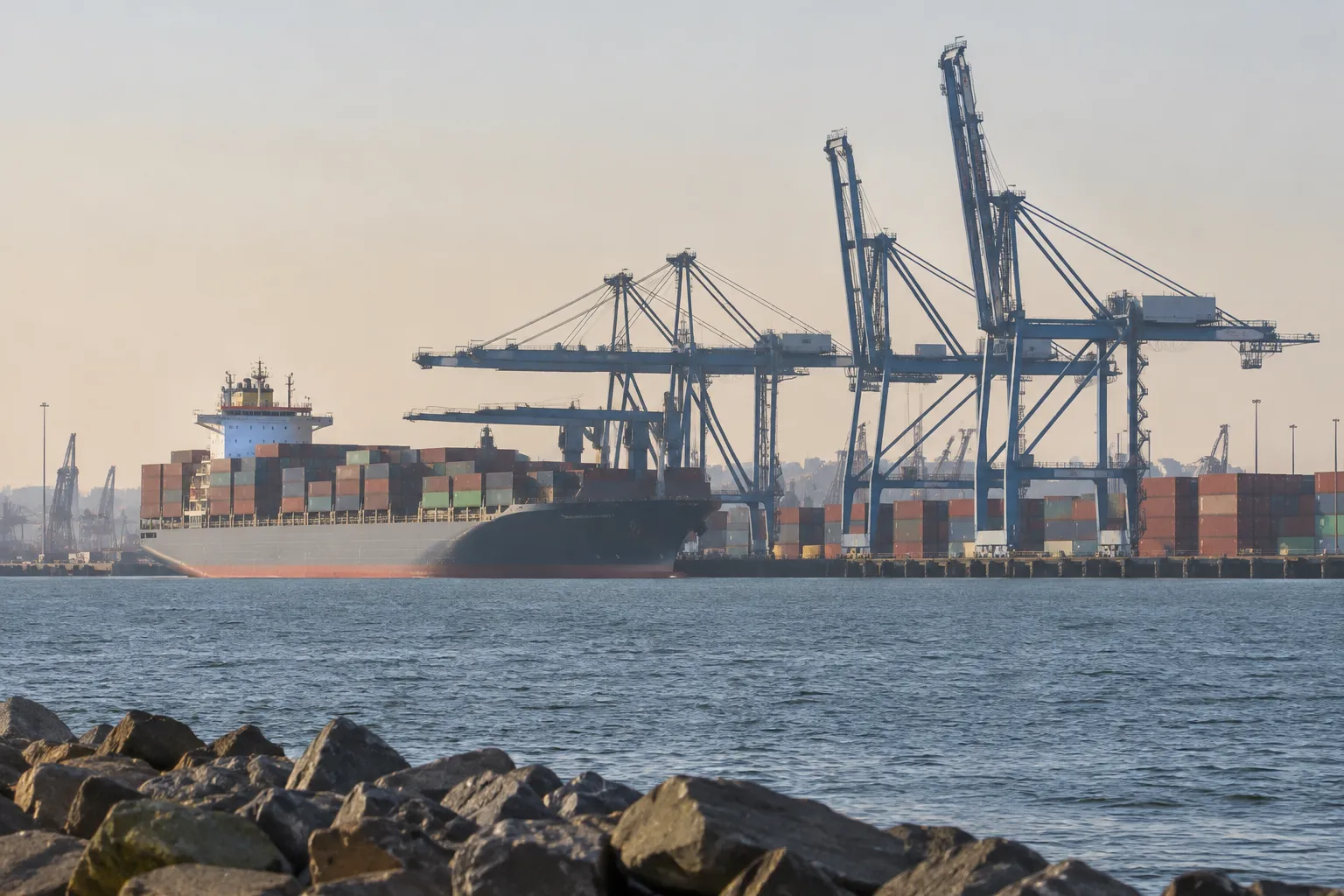
For buyers researching shipping container tariffs 2026, the practical question is whether a quoted charge actually applies to the transaction. If an offer includes a policy-related adjustment, request the applicable provision, covered item or activity, calculation and contractual basis in writing. A vague “tariff surcharge” label does not explain those details.
There can be indirect commercial effects: changes in transportation costs, replacement inventory costs or available supply may influence an offer. But those are potential mechanisms, not evidence that your quote has changed—or that it should change by a particular amount.
At Lease Lane Containers, every unit ships from our Raleigh, NC yard and is delivered by our own trucks, trusted freight carriers or a vetted partner delivery agency, depending on your location. Your purchasing decision should focus on the specified unit, confirmed availability and delivery terms from that origin.
Which dates should buyers monitor before committing?
Keep policy dates separate from purchase deadlines. According to the notice’s proposed suspension timetable, the checkpoints are:
- October 26, 2026: publication of the request for comments.
- October 30, 2026: comment deadline—not automatic approval of the proposal.
- November 9, 2026: end of the existing suspension described in the notice.
- January 9, 2027: proposed extended suspension endpoint, subject to a final decision.
Also record your quote’s expiration, your required arrival date and when the site will be ready. None of the federal dates reserves inventory or extends a seller’s offer.
Set your next review for the earlier of a meaningful official update and your quote-expiry checkpoint. If no final decision has appeared, do not substitute an assumption. Decide using the terms actually available and the cost of delaying your project.
What evidence would show a change in local container prices?
A single headline—or a different model appearing in search results—is weak evidence. Stronger evidence is a dated comparison of genuinely equivalent offers delivered to the same destination.
Keep these variables constant:
- Length, height and door configuration.
- Used grade versus new one-trip condition.
- Required repairs, modifications and included equipment.
- Confirmed stock status and the point at which inventory is allocated.
- Delivery ZIP code, site conditions and offloading scope.
- Quote validity and any adjustment clauses.
Use our container grade guide to avoid comparing unlike conditions. A standard-height used unit and a one-trip high cube are not interchangeable price observations.
For a starting reference, review the 20ft used shipping container and 20ft new one-trip shipping container separately. If you need more capacity, track the 40ft used storage-grade container against comparable used units—not against a modified office or refrigerated container.
Our delivered 20ft versus 40ft cost guide addresses size and total-cost comparisons. For timing, the additional question is whether the same suitable offer remains available on the same terms.
Repeated like-for-like quote changes can support a conclusion about the offers available to you. They still do not prove that the federal action caused those changes.
Should I buy a shipping container now or wait? A decision matrix
The best time to buy a shipping container is when the purchase solves your need on acceptable terms. Waiting is useful only when the information you expect to gain could change your decision without undermining your deadline.
| Your situation | Practical direction | What to verify before deciding |
|---|---|---|
| Firm arrival deadline, ready site and suitable stock | Favor buying now | Availability, estimated arrival and complete written scope |
| Flexible deadline and no immediate storage need | Consider waiting for a defined checkpoint | Official update, refreshed quote and stock status |
| Required size or door layout has few suitable alternatives | Favor securing the right specification | Allocation terms and permitted substitutions |
| Offer depends on inbound inventory | Compare against confirmed stock | Inventory milestones, adjustment clauses and cancellation rights |
| Site access or permission is unresolved | Resolve readiness first | Crane access, placement area and local requirements |
| Quote expires before your next review | Request updated written terms | Whether validity can be extended; do not assume a price hold |
Work backward from your required arrival date
For in-stock products other than container homes, handling is 1–3 business days. Standard transit is 3–7 business days, for 4–10 business days in total, about a week and a half. Expedited transit is 2–5 business days, for 3–8 business days in total.
All times start once full payment has been received and count business days only (Monday – Friday, excluding U.S. federal holidays). Enter your ZIP code on any product page to see your estimated arrival dates. Our driver calls you one day before delivery to confirm the exact time.
Standard Delivery is free on all orders delivered within the contiguous United States (Lower 48). Expedited Delivery (optional) costs $450 per unit for in-stock products (Expedited isn't offered on accessories). Containers, homes and offices are offloaded and placed by crane. Remote or non-standard sites and locations outside the Lower 48 are quoted in writing before you pay.
These in-stock timing figures are not container-home assembly schedules. Review the shipping policy for the applicable product terms.
Before ordering, use the backyard delivery site checklist to identify access and placement issues. A policy decision cannot make an unsuitable delivery site ready.
How to compare available stock with an inbound-container offer
“In stock” and “expected inbound” describe different purchasing risks. An inbound offer may be worth considering when you can tolerate uncertainty, but an attractive headline price is not enough.
Ask whether the quoted unit is physically available, whether it is allocated to your order and what remains before dispatch. For an inbound offer, request written confirmation of outstanding milestones and what happens if availability changes. Do not assume a projected arrival also means the unit is ready for final delivery.
One trip container availability also needs specification-level checking. A one-trip container with standard cargo doors is not a substitute for a unit requiring side access or doors at both ends.
For example:
- The 20ft high cube double-door container suits buyers specifically evaluating extra height and double-end access.
- The 40ft high cube one-trip container is a relevant option when high-cube capacity matters more than specialty side access.
- The 40ft one-trip standard-height container belongs in a separate comparison when standard height meets the requirement.
These products are listed as in stock; confirm availability when requesting your quote. Browse used shipping containers and new one-trip containers as separate groups before comparing alternatives.
Condition checks remain important regardless of timing. Our units pass our manual light test before dispatch and are covered by the following protection:
30-Day Structural Guarantee: if a structural defect or leak is found within 30 days of delivery, we'll provide a mobile repair, an exchange or a full refund, as set out in our Refund & Returns Policy.
Use the used-container inspection checklist to organize questions about doors, floors, corrosion and repairs. Product photographs should not replace written condition specifications.
What to request in writing: quote expiry, price locks and cancellation terms
A shipping container quote price lock is only useful if its scope and conditions are clear. Request answers before committing; do not assume that requesting a quote reserves stock or fixes the price indefinitely.

- Product specification: size, height, grade, door layout and included modifications.
- Inventory status: physically available or inbound, plus the event that allocates stock to the order.
- Quote validity: expiration date and the acceptance requirements.
- Price protection: whether the price is fixed, when that protection begins and which charges it covers.
- Adjustment clauses: whether policy, freight or availability changes can alter the offer, and whether your approval is required.
- Delivery scope: destination, crane placement, site requirements and any written non-standard-site charge.
- Cancellation and substitution: what happens before dispatch if the specified unit becomes unavailable or the schedule changes.
- After-delivery remedies: inspection, reporting and return procedures.
These are questions to resolve in the quote, not promises that every requested provision is available. In particular, cancellation before dispatch and a return after delivery are different situations.
Lease Lane Containers has a 30-day return window. Defective or incorrect units cost $0 to return. Change-of-mind returns carry a 15% restocking fee, and the customer arranges return freight. Review the Refund & Returns Policy before treating a purchase as reversible at no cost.
Sales tax is included and paid by Lease Lane Containers, so nothing is added at checkout.
Request an inventory-backed quote and set a policy-update checkpoint
Turn “should I buy a shipping container now or wait” into a short purchasing brief. State your required arrival date, delivery ZIP code, intended use, acceptable condition and non-negotiable dimensions or access features.
Then take three steps:
- Request a quote tied to confirmed availability and the complete delivery scope.
- Record the quote expiry alongside your next official-policy review checkpoint.
- Decide what evidence would justify waiting: a final policy decision, a materially better equivalent quote or newly confirmed suitable stock.
If you cannot identify what waiting would accomplish, avoid making an essential purchase depend on an unsupported price prediction. If your project is flexible, keep monitoring without assuming that either higher or lower prices are inevitable.
Bottom line: buy for a verified need and acceptable written terms; wait for a defined reason, not a headline. Browse 20ft containers or 40ft containers and request an inventory-backed quote that fits your deadline.
What "fully furnished" means: when one of our container homes is described as fully furnished, it means built-in amenities only: interior finishes and any built-in cabinetry, kitchen or bathroom fit-out, electrical and plumbing that are listed in this home's specifications. Loose furniture and appliances (for example beds, sofas, tables, refrigerators and microwaves) are not included unless listed in your written quote.
Frequently asked questions
Favor buying when suitable stock, written terms and estimated delivery fit a firm project deadline. Consider waiting when your schedule is flexible and a specific official update could change your decision. The October 26 proposal alone does not establish whether retail container prices will rise or fall, so compare actual quotes rather than predicting the market.
No automatic surcharge on every domestic container purchase follows from this notice. The action concerns maritime-service fees and specified equipment duties, while the October notice proposes extending a suspension. If a quote includes a policy-related charge, ask for its applicable provision, calculation and contractual basis before accepting the offer.
The notice identifies October 30, 2026 as the comment deadline and November 9, 2026 as the existing suspension endpoint. January 9, 2027 is the proposed extended endpoint, not an established outcome of the comment request. Check for a subsequent official decision, and track your quote expiration separately from these federal dates.
Do not assume that a listing or quote request reserves inventory or fixes a price. Ask when allocation occurs, when the quote expires, and whether any adjustment clauses apply. A useful written quote identifies the required specification, availability, delivery scope and acceptance conditions so you can distinguish a current offer from a binding commitment.
Compare the same size, height, condition and door configuration, then examine inventory status and outstanding milestones. Ask what happens if availability changes, whether substitutions require approval and which cancellation terms apply. An inbound offer should be evaluated against confirmed stock using the full written terms—not only the advertised price or a projected arrival.
Sources & further reading
- USTR / Federal Register: Request for Comments on Further Suspension of Section 301 Action: China's Targeting of the Maritime, Logistics, and Shipbuilding Sectors for Dominance — October 26, 2026
- National Coffee Association: Coffee Tops Beverage Charts Again, Specialty Coffee Hits New High — September 15, 2026
- FDA: Food Establishment Plan Review Guide
- California Energy Commission: 2025 Energy Code Overview
- California Energy Commission: 2025 Single-Family Pools and Spas FAQs
- U.S. Consumer Product Safety Commission: Safety Barrier Guidelines for Home Pools
Talk to our Raleigh team
Ready to find the right container?
Get a written quote, check availability or ask about delivery to your site. Lease Lane Containers LLC answers every enquiry personally.
- Call us+1 (984) 219-9882
- Emailsales@leaselanecontainers.llc
- Visit5832 Lease Ln, Ste B, Raleigh, NC 27617
- Business hoursMon - Fri: 9:00 AM - 5:00 PM · Sat - Sun: Closed (ET)